

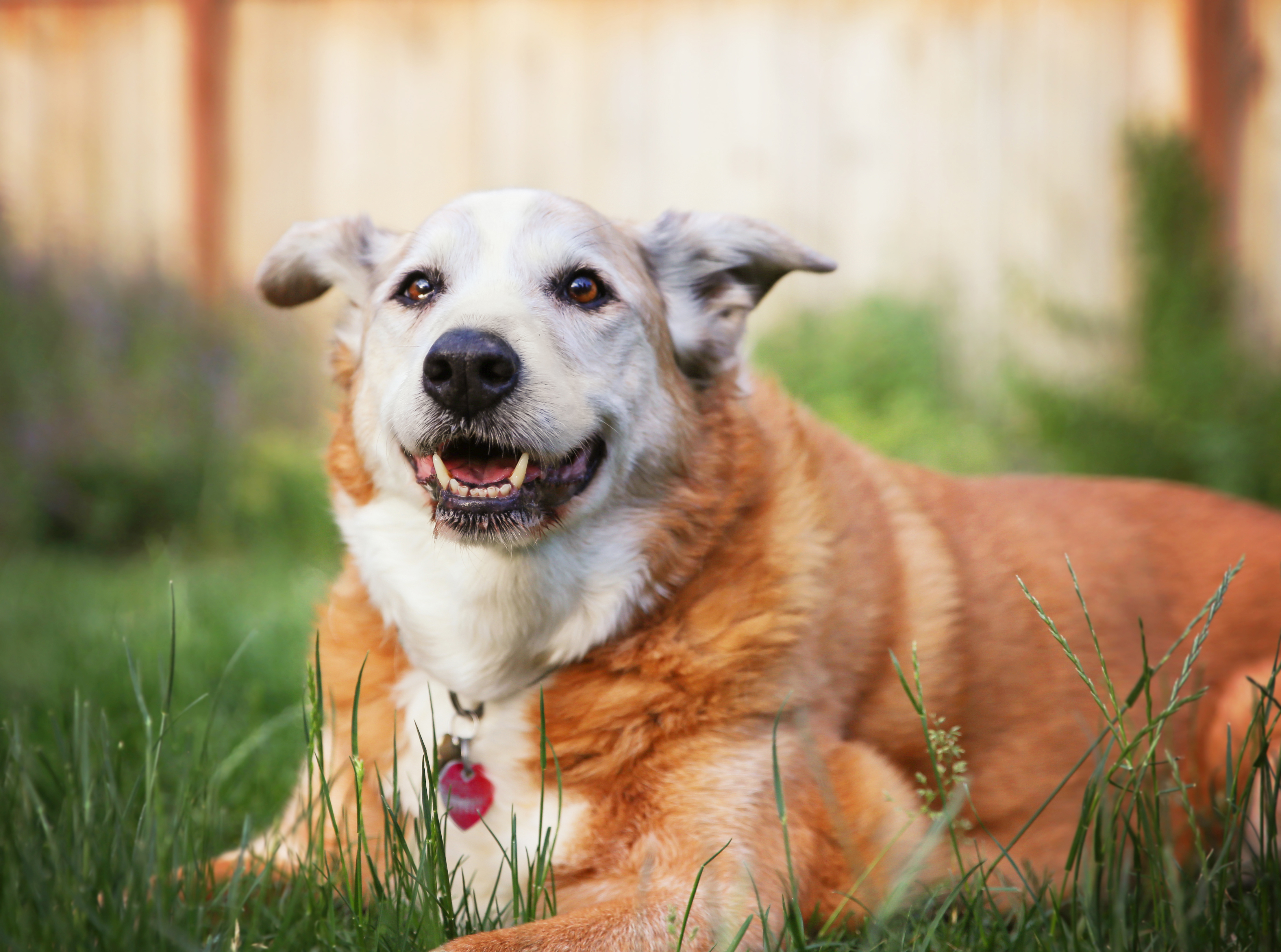
July heat in Madison can be stressful for any pet, but senior dogs and cats often need extra protection. Older pets may have reduced stamina, weaker joints, heart changes, breathing concerns, arthritis, or chronic conditions that make extreme heat harder to tolerate. When temperatures climb, even a short walk, car ride, or backyard play session can become too much.
At Madison Animal Care Hospital in Madison, AL, we help pet owners support senior pets with wellness care, preventative guidance, and individualized veterinary recommendations.
Why Senior Pets Struggle More In Summer Heat
As pets age, their bodies may not regulate temperature as efficiently. A younger dog may recover quickly after outdoor activity, while a senior pet may become exhausted, overheated, or painful much faster. Heat can place added strain on the heart and lungs because the body works harder to cool itself.
Senior pets with heart disease, airway disease, obesity, arthritis, kidney disease, or endocrine conditions may be at higher risk during hot weather. Flat-faced breeds and pets with thick coats may also struggle more in Alabama’s summer climate.
What Thermal Strain Means For Older Pets
Thermal strain refers to the stress heat places on the body. In senior pets, that strain can affect breathing, circulation, hydration, and mobility. A pet who pants heavily for too long may become weak or disoriented. A pet with joint disease may collapse or refuse to walk if heat and pain combine.
The goal is to prevent your pet from reaching that point. Summer safety starts with shorter outings, better timing, and close attention to early warning signs.
Signs Your Senior Pet Needs Help
Heat-related distress can progress quickly. Contact your veterinarian or seek urgent care if your pet shows:
- Heavy panting that does not settle
- Weakness, wobbling, or collapse
- Pale, red, or blue-tinged gums
- Coughing, wheezing, or labored breathing
- Vomiting or diarrhea during heat exposure
- Confusion or extreme lethargy
- Refusal to walk or sudden lameness
- Signs of pain when rising or moving
If your pet collapses, struggles to breathe, or seems severely overheated, treat it as an emergency.
Joint Pain Can Worsen In Summer Routines
Senior pets with arthritis may seem more active during summer because families are outside more often. However, extra walks, slippery pool decks, uneven ground, stairs, travel, and long car rides can worsen joint discomfort.
Heat can also tire muscles faster, making it harder for older pets to support weak hips, knees, elbows, or backs. A pet who starts the day walking well may become stiff or unstable after too much activity.
Safer July Activity For Senior Pets
Madison pet owners can reduce heat and joint stress by changing summer routines. Walk early in the morning or later in the evening, avoid pavement during peak heat, keep outings short, and offer frequent water breaks. If your pet is stiff, limping, or reluctant to continue, stop and let them rest.
Indoor enrichment, gentle play, puzzle feeders, and short controlled walks may be safer than long outdoor sessions during extreme heat.
Why Preventative Veterinary Care Matters
A senior wellness visit can help identify health concerns before summer heat exposes them. Your veterinarian may check weight, heart and lung health, joint comfort, mobility, hydration status, dental health, bloodwork, and medications.
At Madison Animal Care Hospital, pet health services are designed to support companions from early life through the senior years. Regular exams help your care team adjust recommendations as your pet’s needs change.
Travel Planning For Senior Pets
If your July plans include travel, plan for your senior pet’s comfort. Never leave a pet in a parked car, even for a short time. Bring water, medications, bedding, medical records, and a way to keep your pet cool. For pets with heart, breathing, or joint concerns, ask your veterinarian whether travel is safe before leaving Madison.
Some senior pets may do better with boarding or supervised care than long, hot trips.
Protect Your Senior Pet This Summer
Senior pets can still enjoy summer, but they need thoughtful limits. By watching for early warning signs, adjusting activity, and scheduling preventive care, you can help reduce the risk of heat-related cardiopulmonary strain and joint collapse.
To schedule a senior pet wellness visit or discuss July heat safety, contact Madison Animal Care Hospital in Madison, AL at Madison, AL 35758, or call 256-461-7575.


